
Compounded Retatrutide
Prescribed Online
Discover the next-generation "triple agonist" metabolic peptide targeting GLP-1, GIP, and glucagon receptors for significant fat loss, appetite control, and active calorie burning.
The "Triple Agonist" Action
Retatrutide is considered one of the most powerful next-generation metabolic peptides because it works differently, targeting three metabolic receptors instead of one or two.
Appetite & Cravings
Suppresses hunger, decreases "food noise", and helps you feel full faster by slowing gastric emptying and signaling the brain's satiety pathways.
Metabolic Control
Improves insulin sensitivity, enhances glucose uptake, and works synergistically with GLP-1 to maximize healthy fat loss and hormone balance.
Fat Oxidation
Activates glucagon receptors to increase resting metabolic rate and thermogenesis, actively burning calories and oxidizing fat cells even when resting.
Significant Weight Loss & Appetite Suppression
Retatrutide provides powerful appetite control and fat loss through dual activation of the GLP-1 and GIP receptors combined with glucagon stimulation.
- Bariatric-Level Weight Loss: Clinical trials show average body weight reductions of approximately 24–29%, comparable to bariatric surgery results.
- Powerful Appetite Control: Significantly reduces hunger levels and eliminates constant cravings.
- Quietens "Food Noise": Decreases persistent, intrusive thoughts about food.
- Faster Satiety: Helps you feel full faster, leading to less emotional and portion-based overeating.

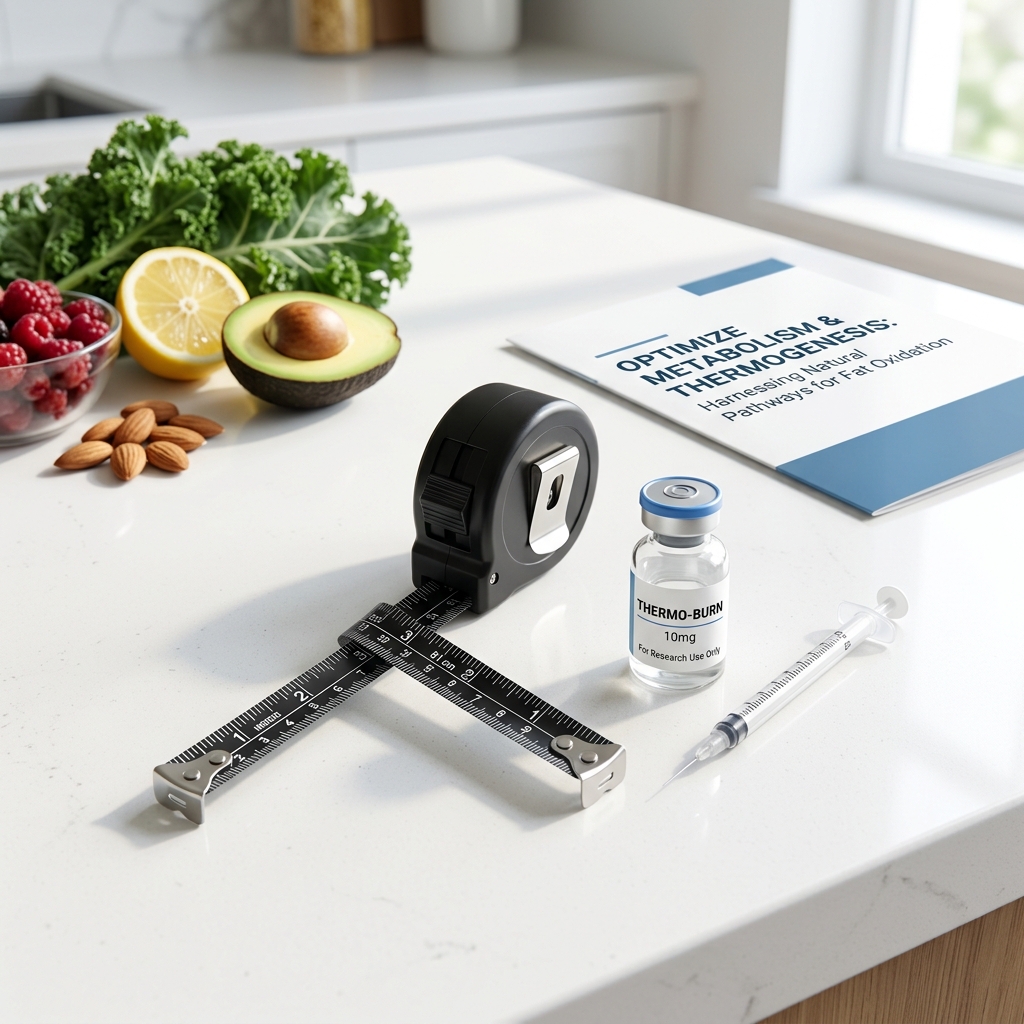
Increased Fat Burning & Resting Metabolism
Unlike traditional GLP-1 therapies, Retatrutide's glucagon receptor activation works directly on fat cells to accelerate energy expenditure.
- Elevated Resting Metabolic Rate: Helps your body burn more calories even when you are resting.
- Thermogenesis & Fat Oxidation: Promotes heat production and enhances the breakdown of stored fat.
- Targeted Visceral Fat Loss: Exceptionally effective at reducing stubborn abdominal, visceral, and liver fat.
- Liver Fat Reduction: Shown to dramatically improve markers of fatty liver disease.
Blood Sugar & Cardiovascular Health
Clinical trials indicate that Retatrutide significantly improves glycemic parameters, lowers overall blood glucose, enhances insulin sensitivity, and reduces HbA1c.
In addition, users experience positive changes in cholesterol profiles—lowering triglycerides and LDL cholesterol while improving HDL and cardiovascular risk factors.


Muscle Preservation & Mobility
Major weight reduction is paired with functional physical benefits, helping patients maintain physical strength and move freely.
- Lean Tissue Preservation: Early data suggests Retatrutide may preserve muscle mass better than earlier medications when paired with adequate protein and resistance training.
- Increased Mobility: Substantial fat reduction decreases load on joints, reducing pain and improving movement.
- Enhanced Exercise Tolerance: Boosts stamina and energy, supporting an active, healthy lifestyle.
- Fatty Liver (MASLD) Care: Reduces metabolic inflammation and fatty liver accumulation.
Book Your Retatrutide Consultation
Explore the power of next-generation metabolic peptides. During your telehealth consultation, our medical providers will evaluate your health history, discuss your wellness goals, and determine if Retatrutide is appropriate for your weight management program.
What to Expect
- Medical Evaluation: A comprehensive review of your health history and metabolic markers to ensure safe, effective therapy.
- Customized Dosing: A personalized schedule adjusted based on your progress and individual weight management goals.
- Ongoing Supervision: Direct support from our clinical team for dosing adjustments, questions, and guidance throughout your program.
Frequently Asked Questions
What makes Retatrutide different from Semaglutide and Tirzepatide?
Semaglutide targets one receptor (GLP-1), and Tirzepatide targets two (GLP-1 and GIP). Retatrutide is a "triple agonist" targeting three receptors: GLP-1, GIP, and Glucagon. The addition of the glucagon receptor specifically triggers increased resting metabolic rate and thermogenesis, resulting in higher potential fat burning.
What kind of weight loss results were seen with Retatrutide?
In clinical trials, patients experienced average weight loss of approximately 24% to 29% over the trial duration. This is the highest reported average weight reduction among metabolic peptides studied to date.
Does Retatrutide support liver health?
Yes. Clinical studies demonstrated dramatic reductions in liver fat, showing strong benefits for metabolic dysfunction-associated steatotic liver disease (MASLD) and reducing general liver fat accumulation.
How is Retatrutide administered?
Retatrutide is administered as a weekly subcutaneous injection, usually in the abdomen, thigh, or upper arm/glute. Dosing plans are medically supervised and adjusted depending on individual response.